Loading content...
2017 TESLA MODEL X
Thu Apr 02 2026
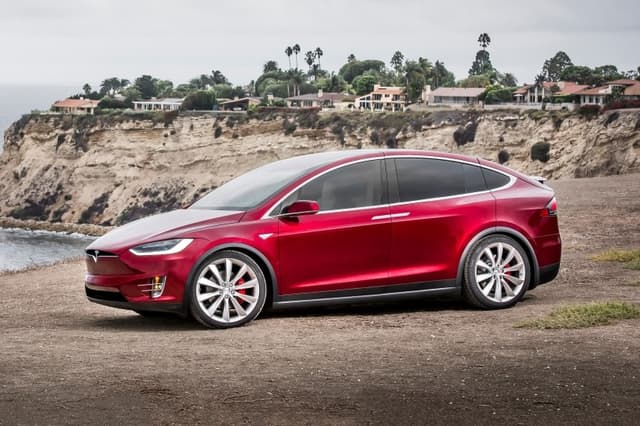

- views
Complaint Summary
High voltage battery management system generated fault codes BMS_u008 and BMS_f071 during a Supercharger charging session, prohibiting drive mode. Vehicle had been driven normally to the Supercharger with no drive-prohibiting alerts during transit. After connecting to the Supercharger, fault codes manifested. Despite fault condition, vehicle continued charging to 93% state of charge before requiring towing. This is the second such event — original HV battery also generated BMS fault alerts prohibiting drive mode during a charging session in January 2024 and was replaced with a remanufactured assembly. Third-party firmware alert data shows recurring hardware charging fault alerts (CHG_f018, CHG_f076, customer message: Unable to charge) occurring in January and February 2026, weeks prior to the March 2026 failure. Alert DI_u014 also fired repeatedly on March 18, 2026 indicating insufficient 12V supply contributing to undriveable condition — a separate system from the HV battery. Tesla Service Center has not investigated whether Supercharger charging events contributed to either failure, has not produced Supercharger session logs, and has not attempted software-level fault resolution before recommending full hardware replacement. Tesla's own firmware documentation describes BMS_u008 as potentially self-clearing and BMS_f071 as having a documented clear condition. Remanufactured battery subsequently drained from 88% to 0% over 11 days while unplugged at service center — 6-9% per day versus normal 1-3% per day vampire drain, consistent with active BMS fault causing abnormal parasitic draw.
Associated Stats:
| Number of Reported Deaths | Number of Reported Injuries | Was There a Fire? | Was Medical Attention Required? |
|---|---|---|---|
| 0 | 0 | No | No |
Comments (-)
Must be signed in to post a comment.